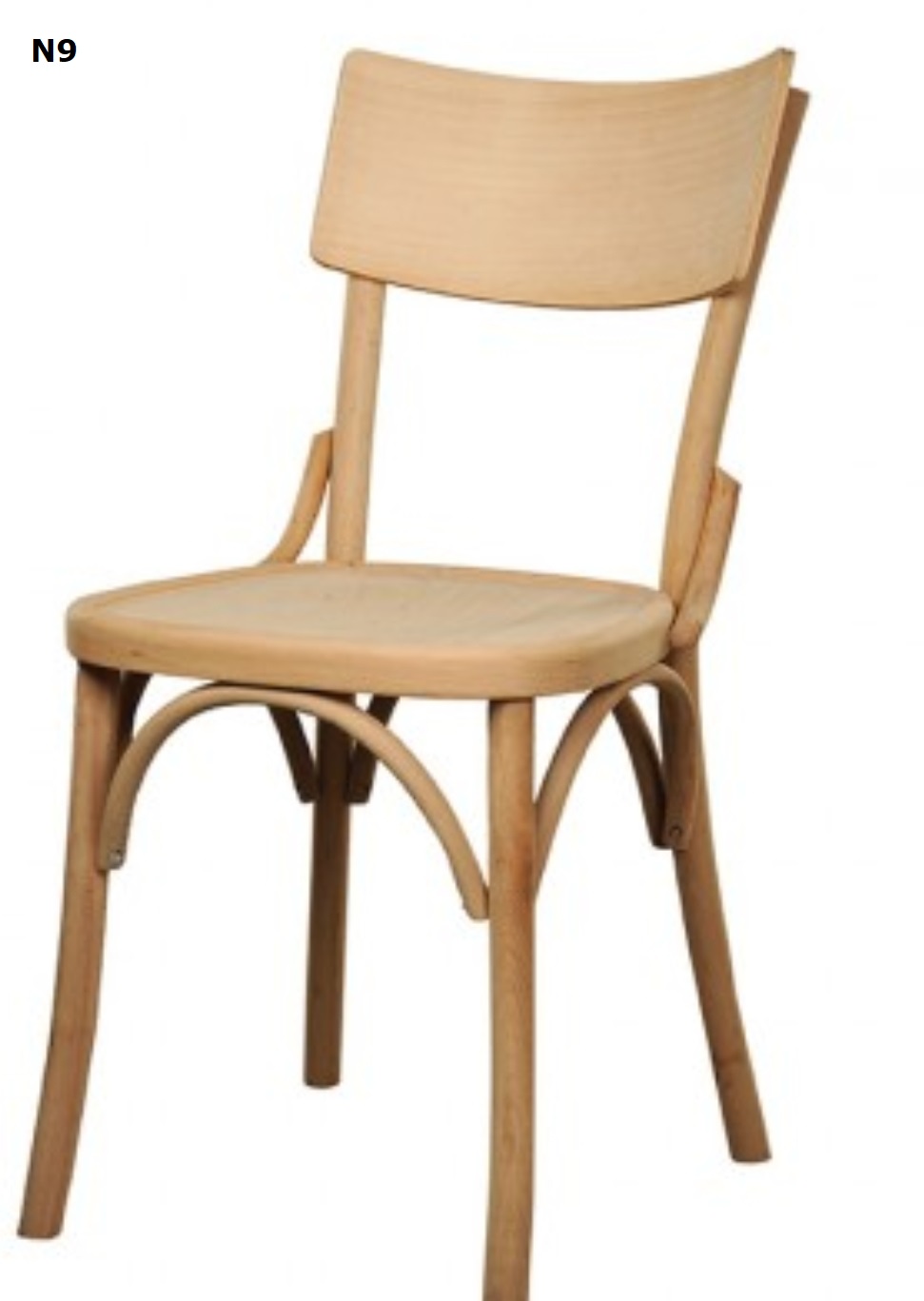
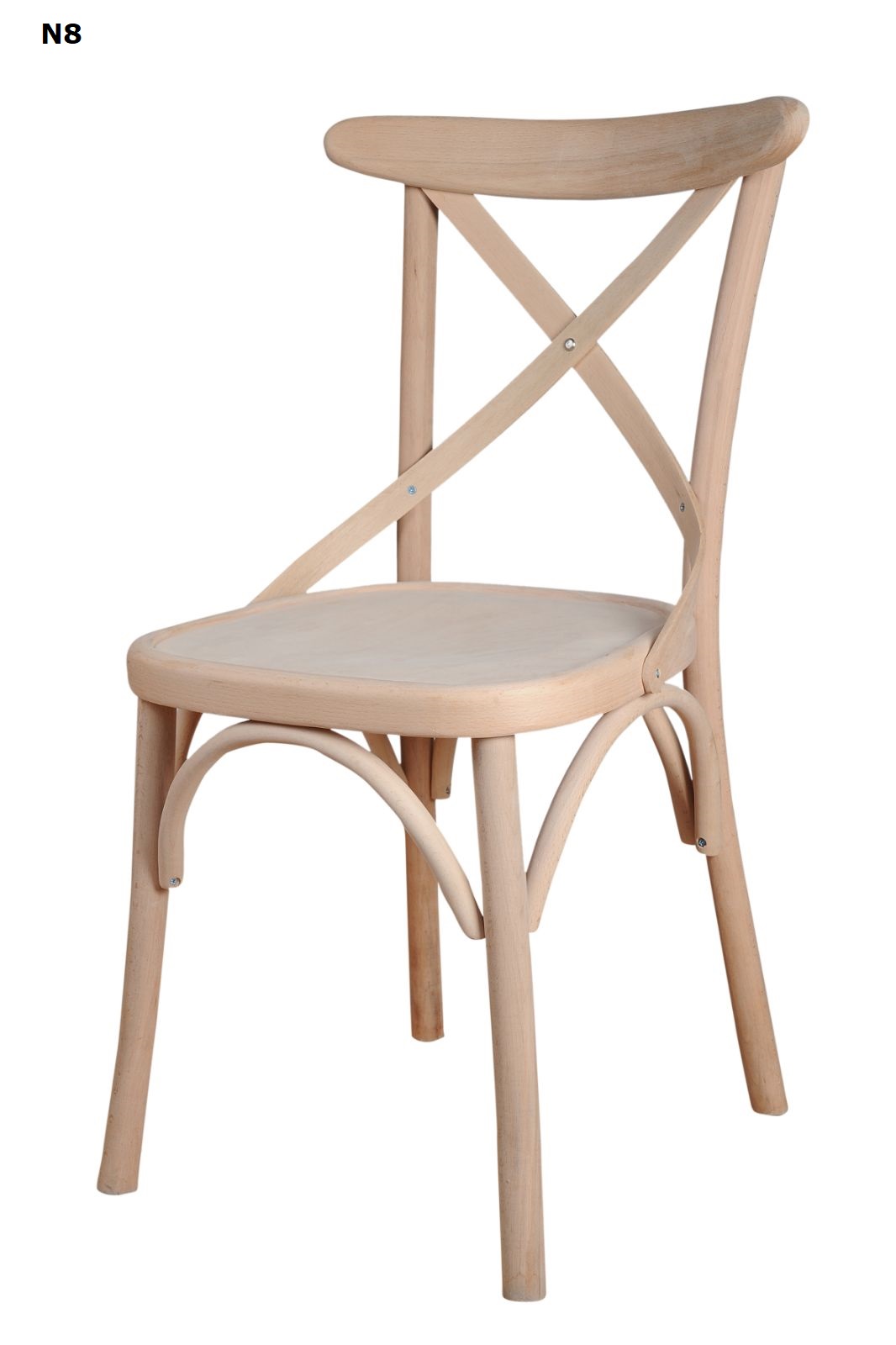
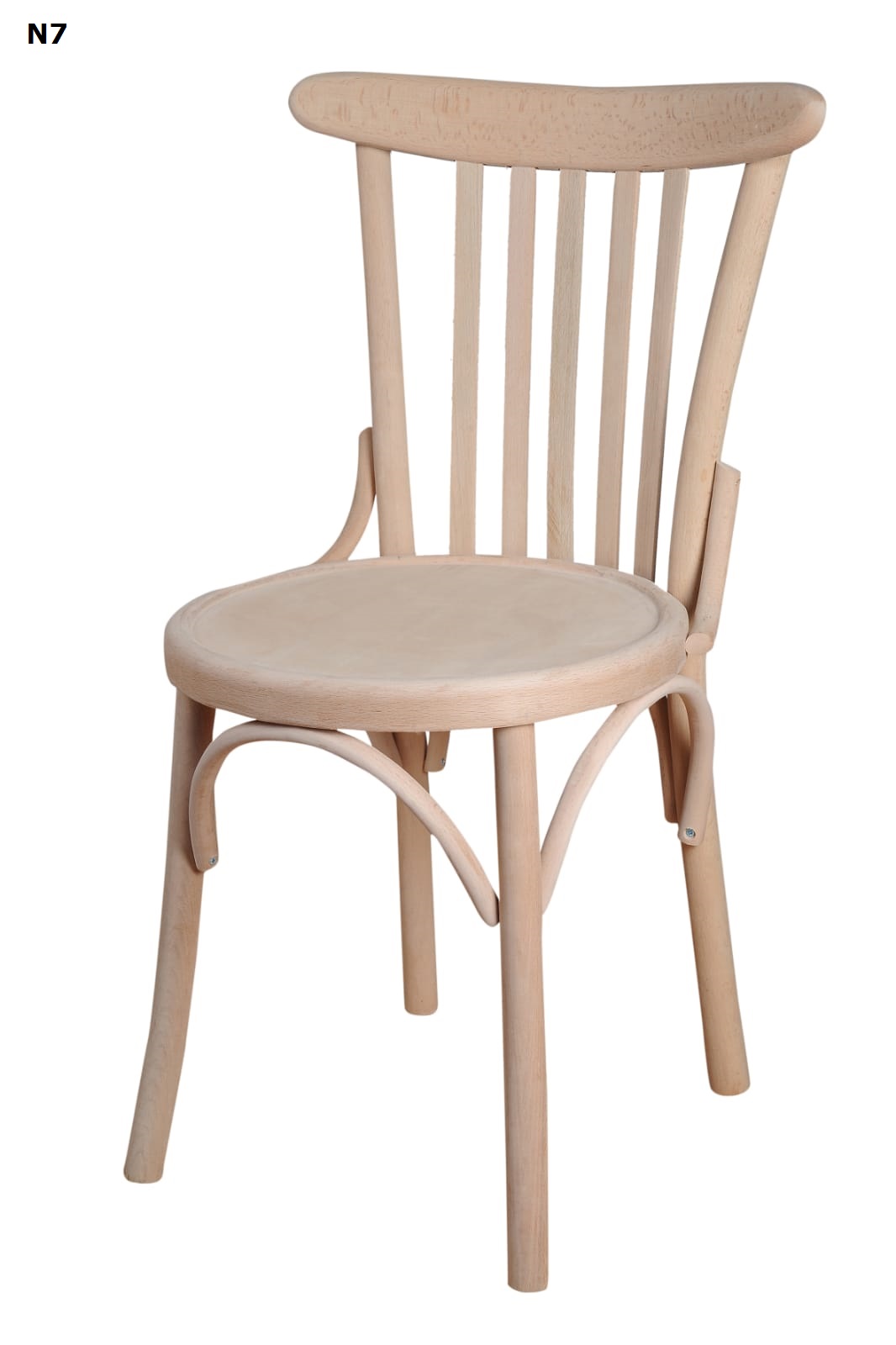
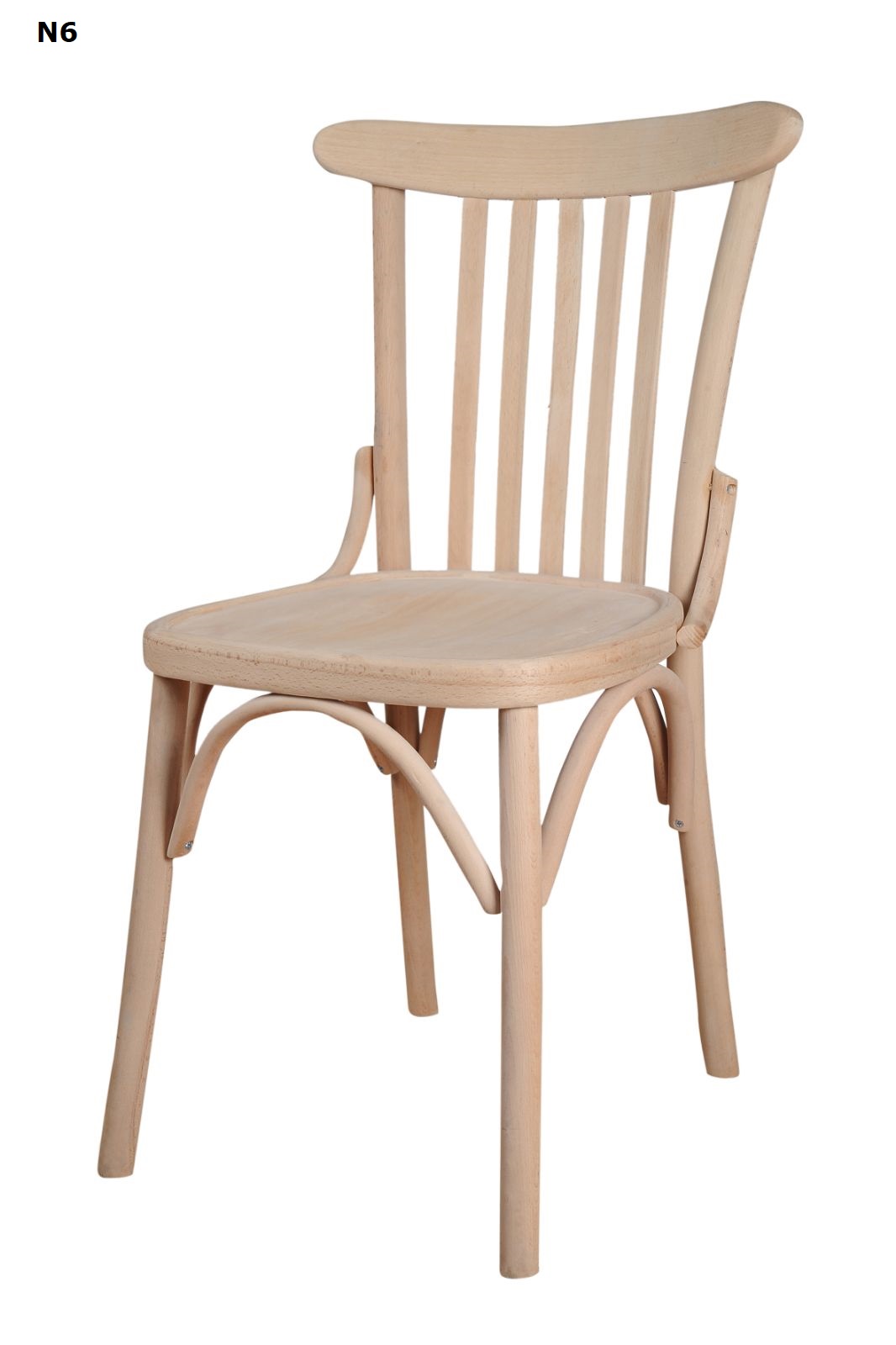
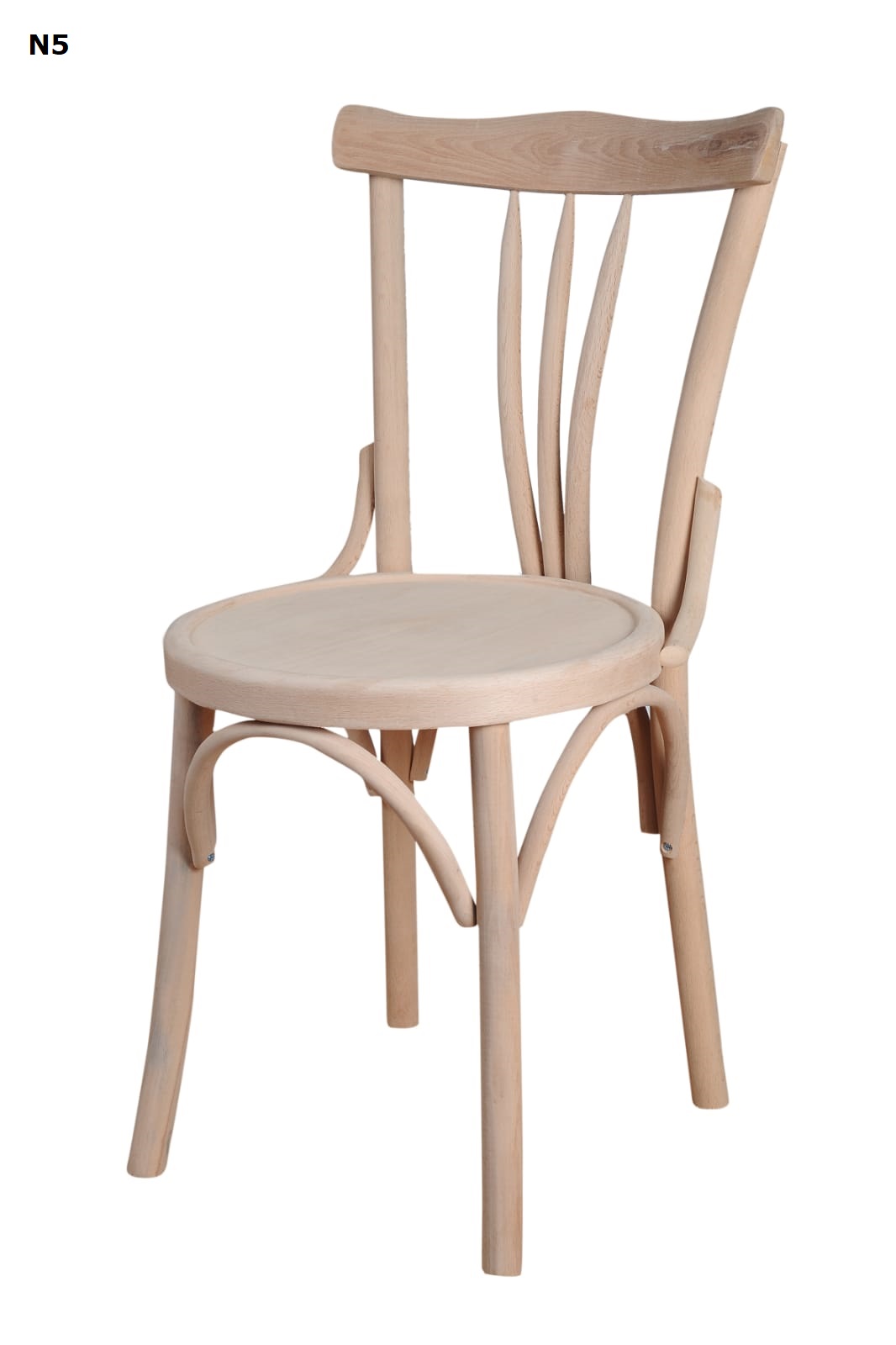
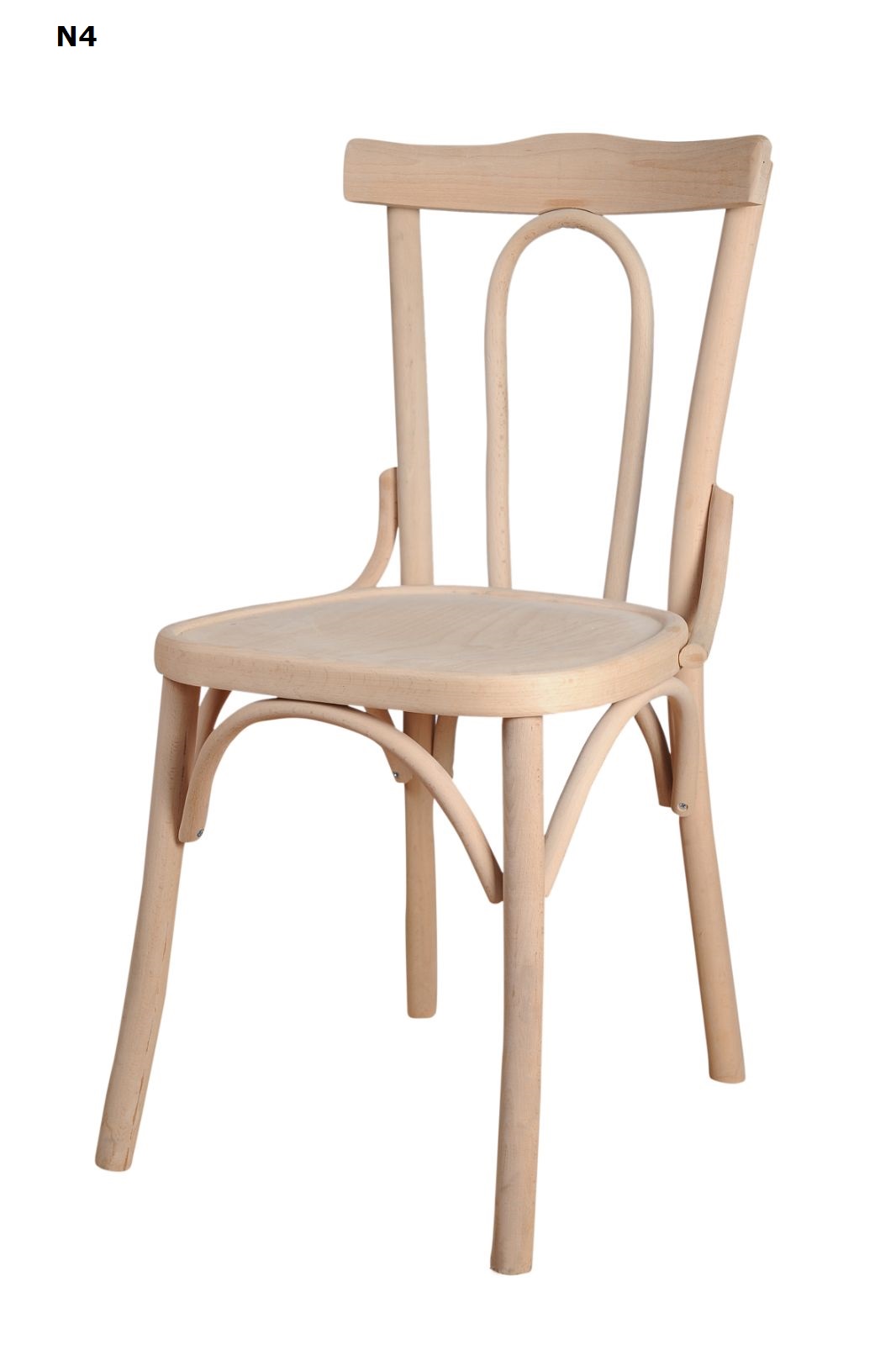
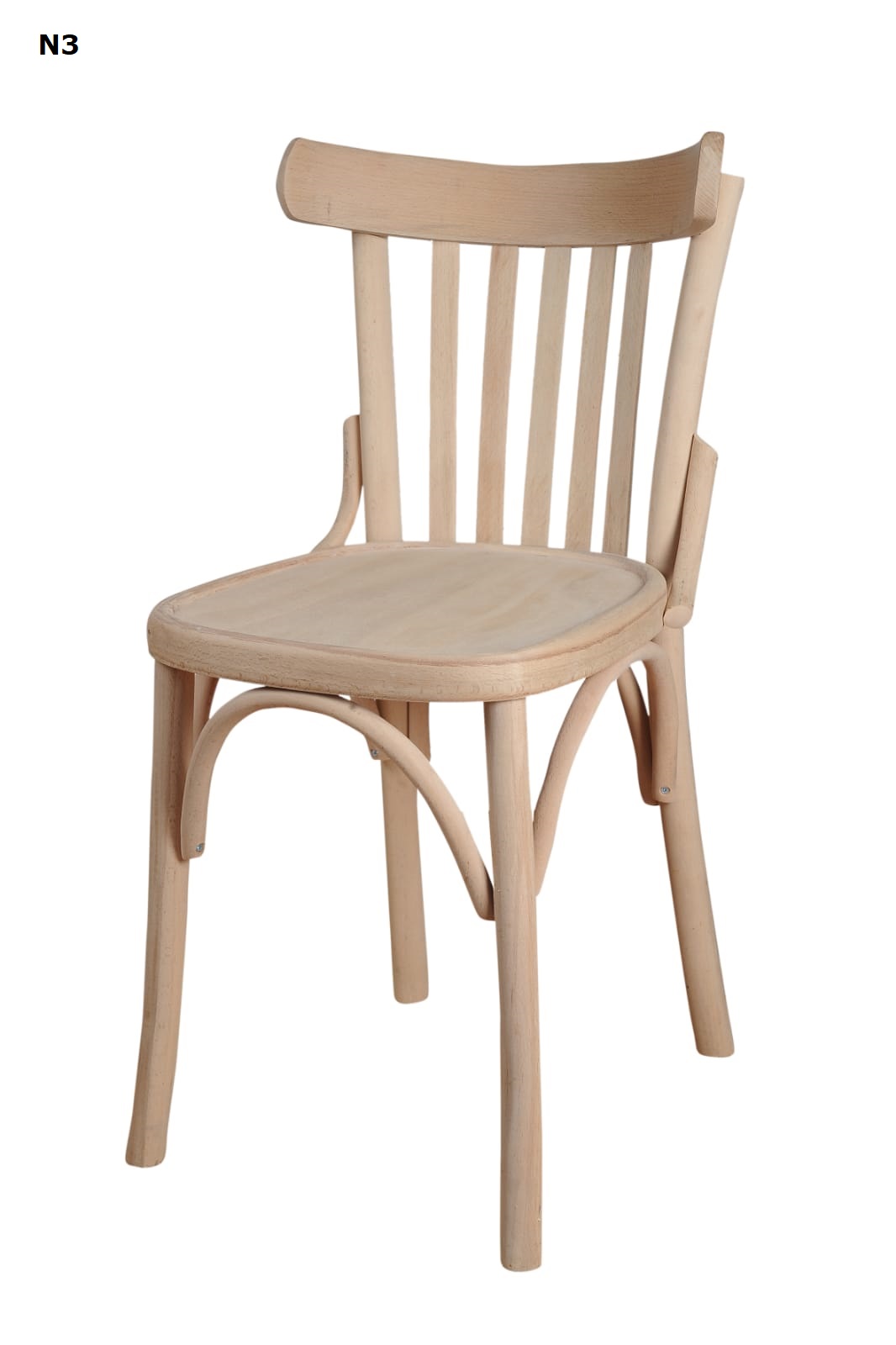
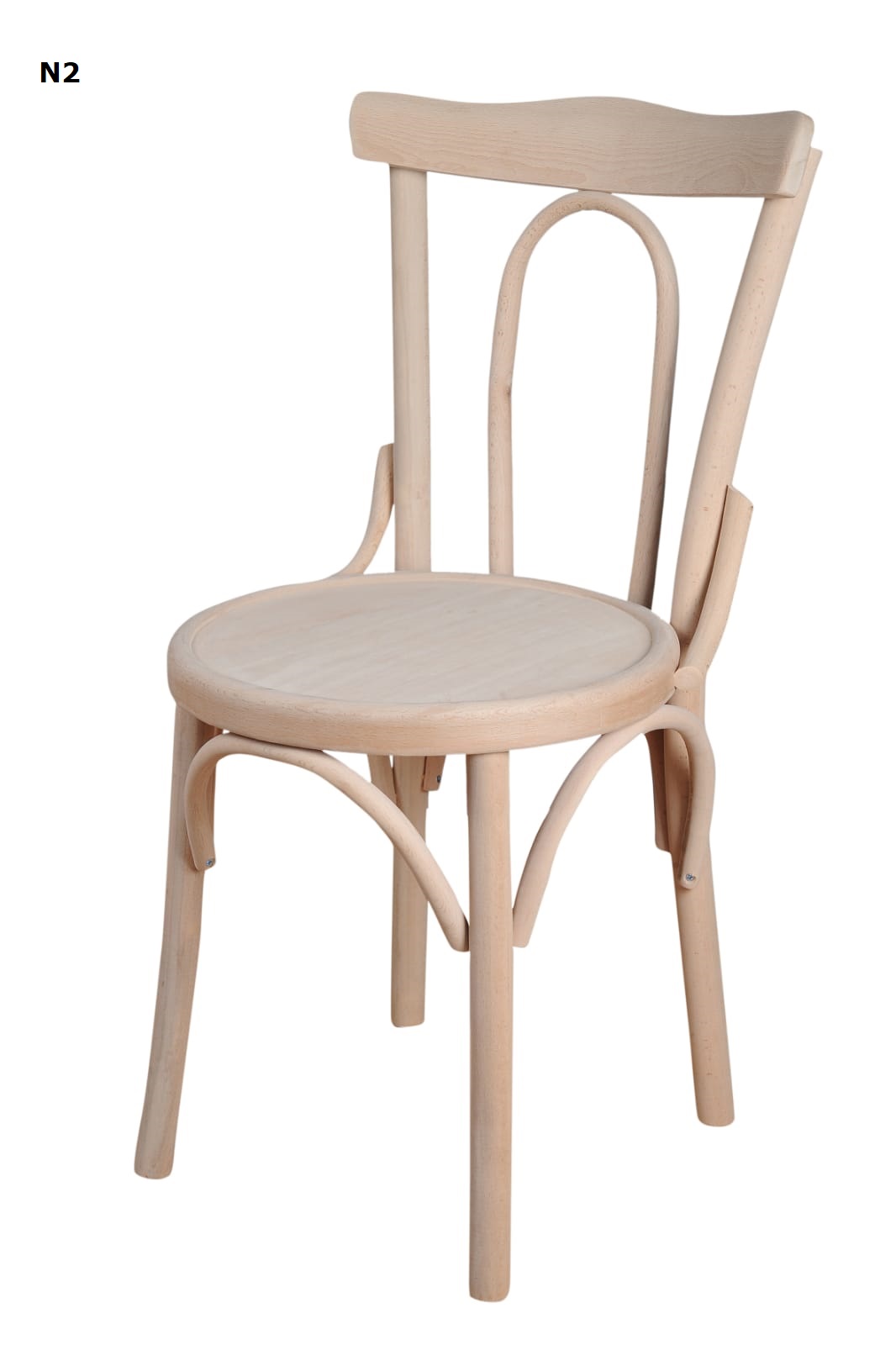
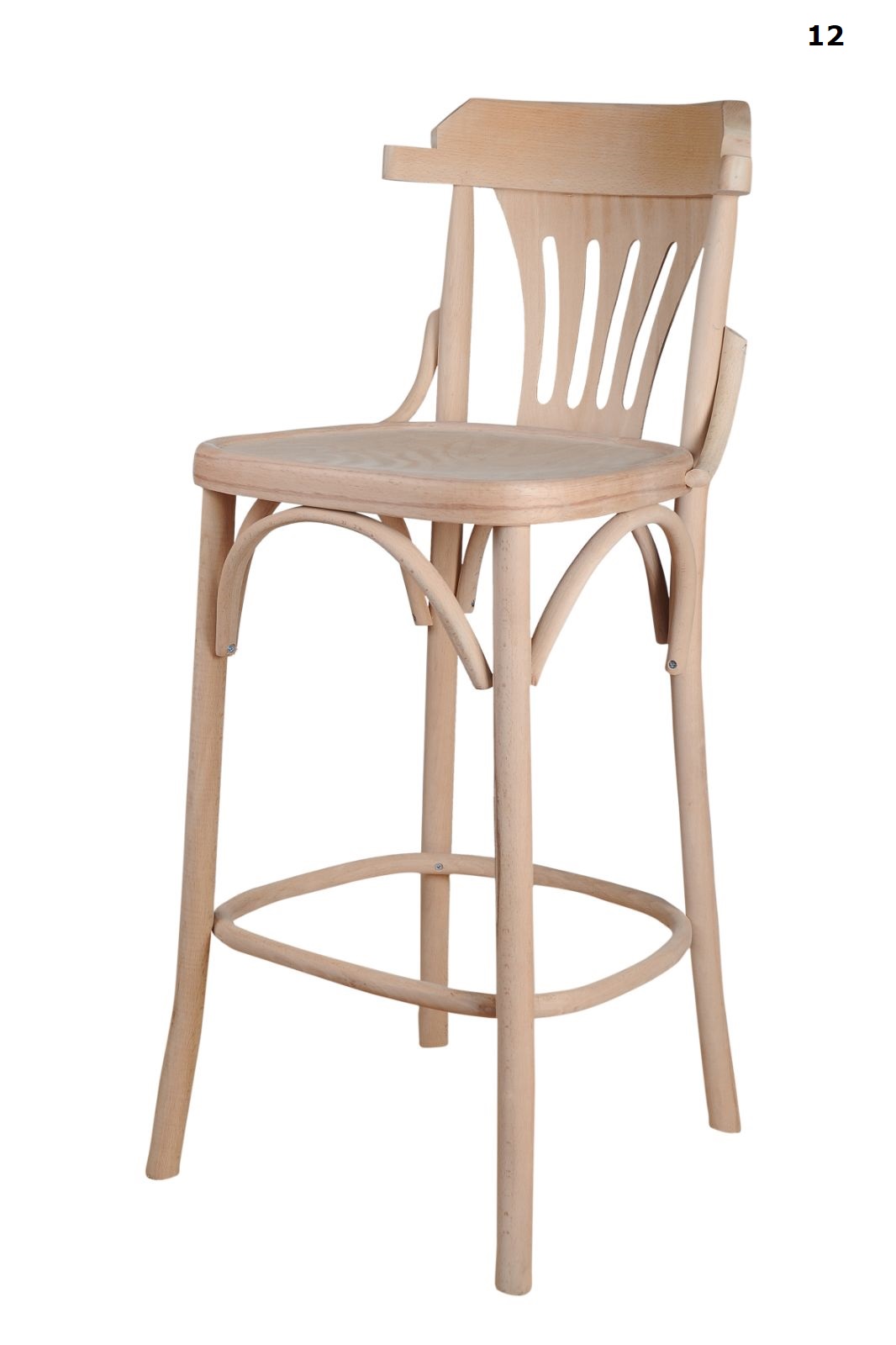
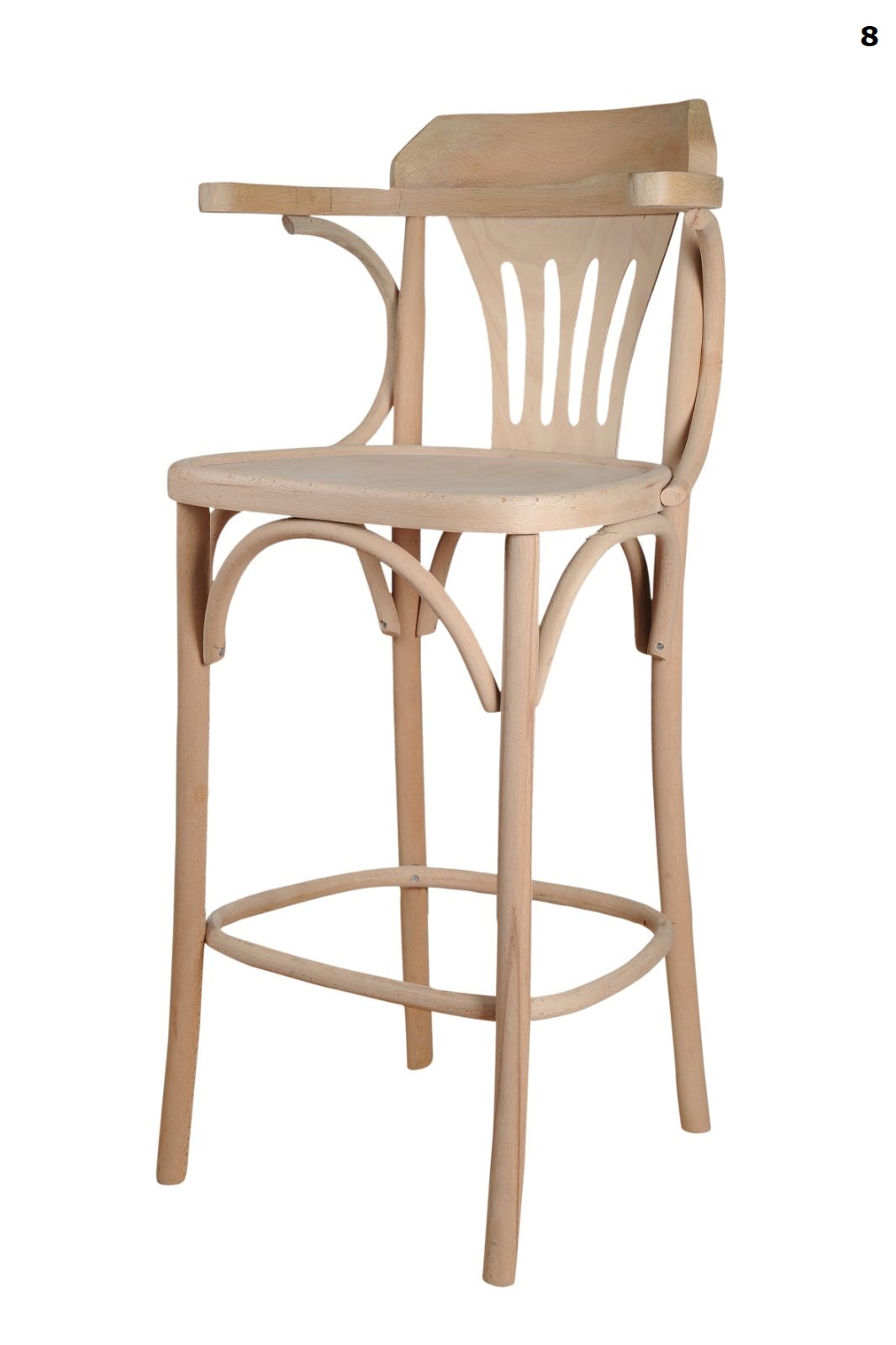
The Tonet chair is considered one of the pillars of modern furniture design. Named after its creator Michael Thonet, it was developed in Vienna in the mid-19th century. Thonet's most important innovation was the use of steam-bent wood technology to make solid beech wood flexible and malleable. This made it possible to produce chairs with fluid and elegant forms without the need for intricate carving. This method revolutionized the world of furniture as it was suitable for industrial mass production.
The Philosophy of Michael Thonet
Michael Thonet's design approach was based on simplicity, lightness and durability. The success of the iconic Tonet chair No. 14 (now known as the 214) is based on these principles. Composed of just six wooden parts, ten screws and two nuts, it could be easily disassembled and packed. This feature drastically reduced transportation costs, making the Tonet chair popular around the world. The elegance and minimalism of its design inspired the art nouveau and later modernism movements of the period.
Why Preferred Today?
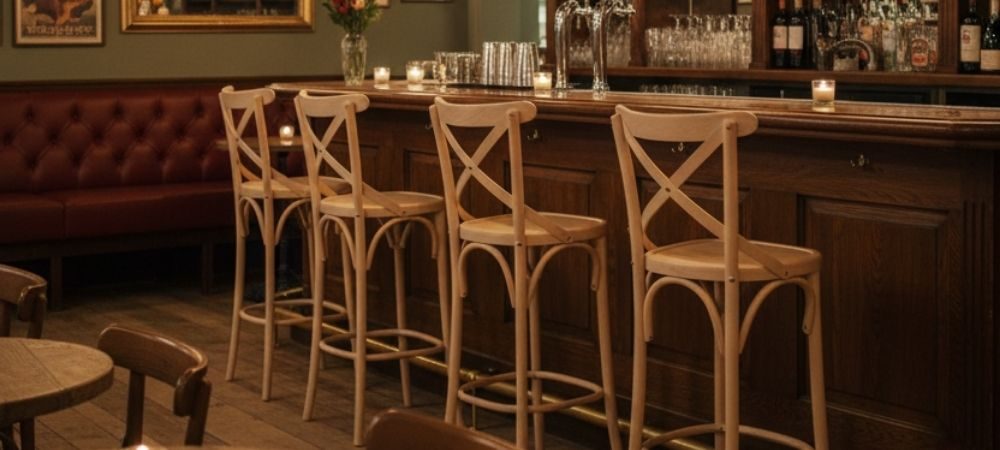
The Tonet chair is still widely used more than a century and a half later. The biggest reason for this is its functional and aesthetic nature. It fits easily into any interior style, from traditional to modern, rustic to minimalist. In addition, with its lightweight and robust structure, it is often preferred both in homes and commercial spaces such as cafes and restaurants. The story of the Tonet chair is one of the best examples of how a cleverly designed product that combines functionality and aesthetics can last for generations.